
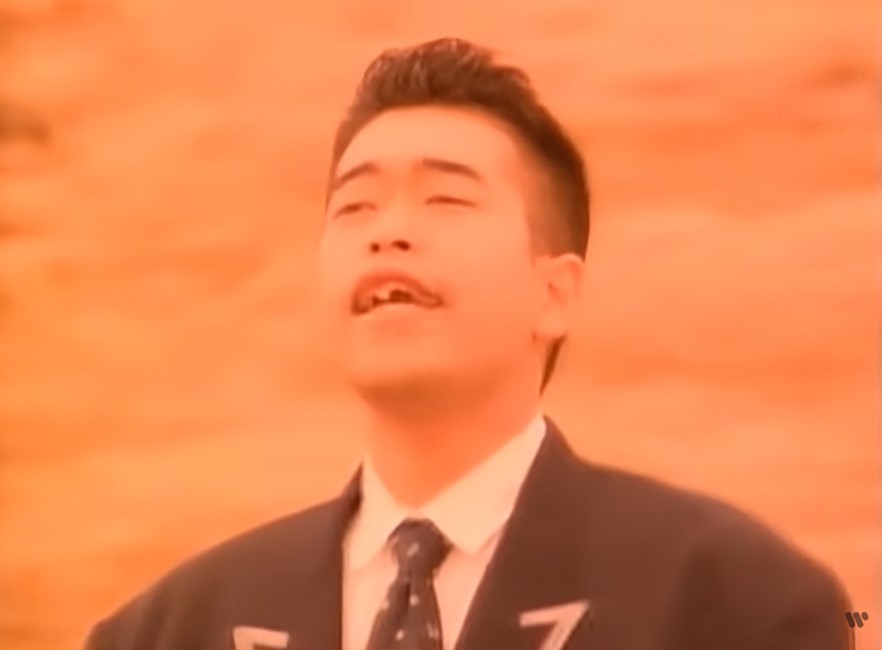
Noriyuki Makihara is no stranger to the Japanese music scene. Also known by his nickname Mackey, he is regarded as one of the defining J-Pop icons of the 1990s. With total record sales reaching 21 million copies, Makihara has firmly established himself as an influential singer-songwriter. Songs such as Donna Toki mo and Mou Koi Nante Shinai became major hits and continue to be covered and enjoyed to this day.
Despite his prominence in Japan, Makihara’s name remained relatively unknown to Indonesian audiences. However, it was changed in December 2025, when the music video of his song Mou Koi Nante Shinai suddenly went viral in Indonesia. As a result, he gained unexpected popularity among Indonesian netizens. But who is he, and why has his song suddenly become viral in Indonesia 23 years after it was released?
Who is Noriyuki Makihara?
Noriyuki Makihara was born on 18 May 1969 in Takatsuki, Osaka, Japan. Throughout his career, he has written, produced, and performed music both as a solo artist and through collaborations. He rose to prominence with songs such as Mou Koi Nante Shinai, NG, No.1, and Donna Toki mo. Some of his works have been adapted into other languages, while Donna Toki mo was notably remixed by Bemani artists under the title Dream Line Out for Konami’s Beatmania game series.
Beyond his solo success, Makihara has also played a key role behind the scenes, composing major hits for other artists. One of his most famous compositions is Sekai ni Hitotsu Dake no Hana performed by the renowned Japanese boy band SMAP, which sold millions of copies in Japan. Internationally, he was also invited to compose and write the lyrics of The Gift for the English boy band Blue.
Personal Life and Legal Issues
However, Makihara’s life and career have not been without controversy. He has faced legal troubles on multiple occasions related to drug possession, resulting in prison sentences with suspended terms.
The most recent incident occurred on 13 February 2020, when Makihara was arrested on suspicion of illegal stimulant possession. Police reportedly found stimulants at his condominium in Tokyo’s Minato Ward during an investigation that began in April 2018. On 2 August 2020, the Tokyo District Court sentenced him to two years in prison, suspended for three years.
Why did it Become Viral in Indonesia?
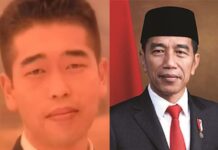
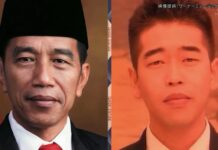
Recently, Makihara has become a topic of widespread discussion among Indonesian netizens. His appearance in the Mou Koi Nante Shinai music video has been widely noted by Indonesians for its resemblance to former Indonesian president Joko Widodo, who is also known by his nickname Jokowi.
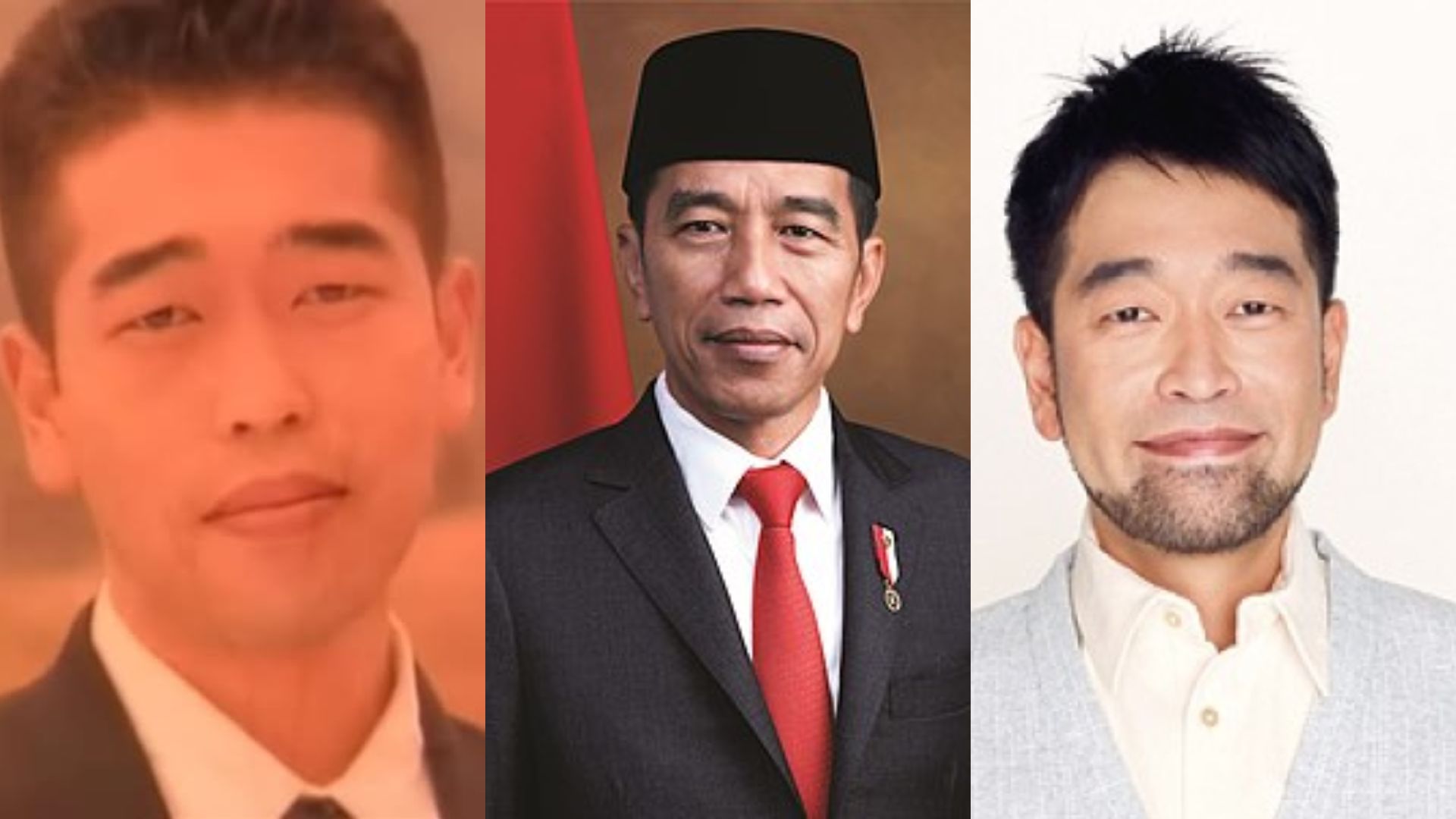
This perceived resemblance quickly drew attention on Indonesian social media. The video’s comment section became flooded with Indonesian-language comments, significantly boosting its engagement. As a result, the music video began appearing frequently on Indonesian YouTube homepages, while other social media platforms were filled with memes comparing Makihara to Jokowi.
Initially, the similarities of Makihara’s face had already been pointed out around the early 2020’s. However, these similarities have recently become more viral as Indonesians become even more dissatisfied with their government and their freedom of speech has become even more limited. This meme, along with the trend of posting the One Piece flag on social media, could be a political joke for Indonesian to express themselves, making fun of the government while also indirectly criticising it.
The Indonesian Anime Times