
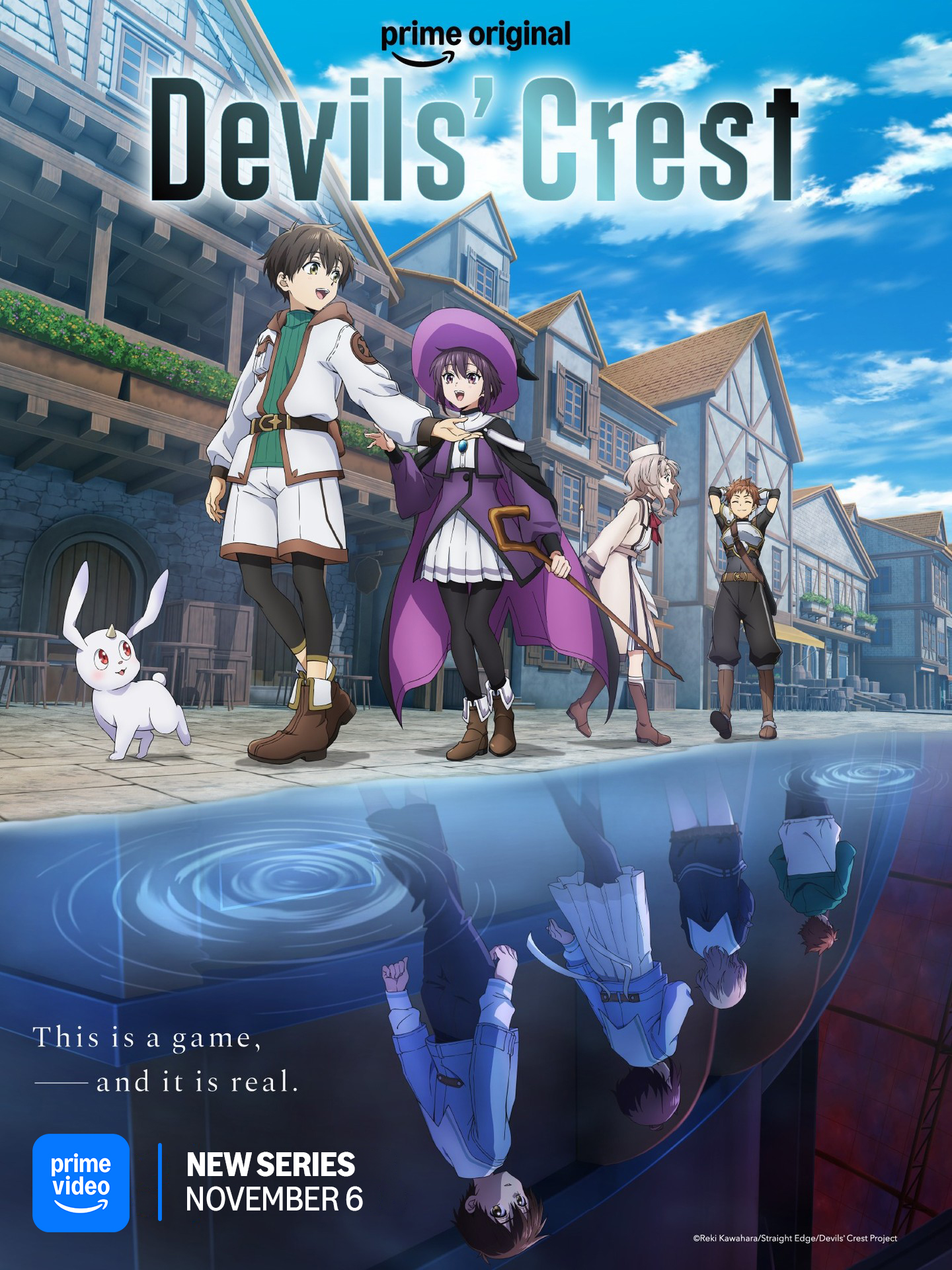
Devils’ Crest will premiere worldwide on 6 November 2026. Written by Reki Kawahara (Sword Art Online, Accel World) and led by chief director Shinji Ushiro (Don’t Toy with Me, Miss Nagatoro 2nd Attack), it tells the story when the world’s first full-sensory VRMMORPG, Actual Magic, merging with reality. Production IG produced the animation, and the anime is now available on Prime Video.
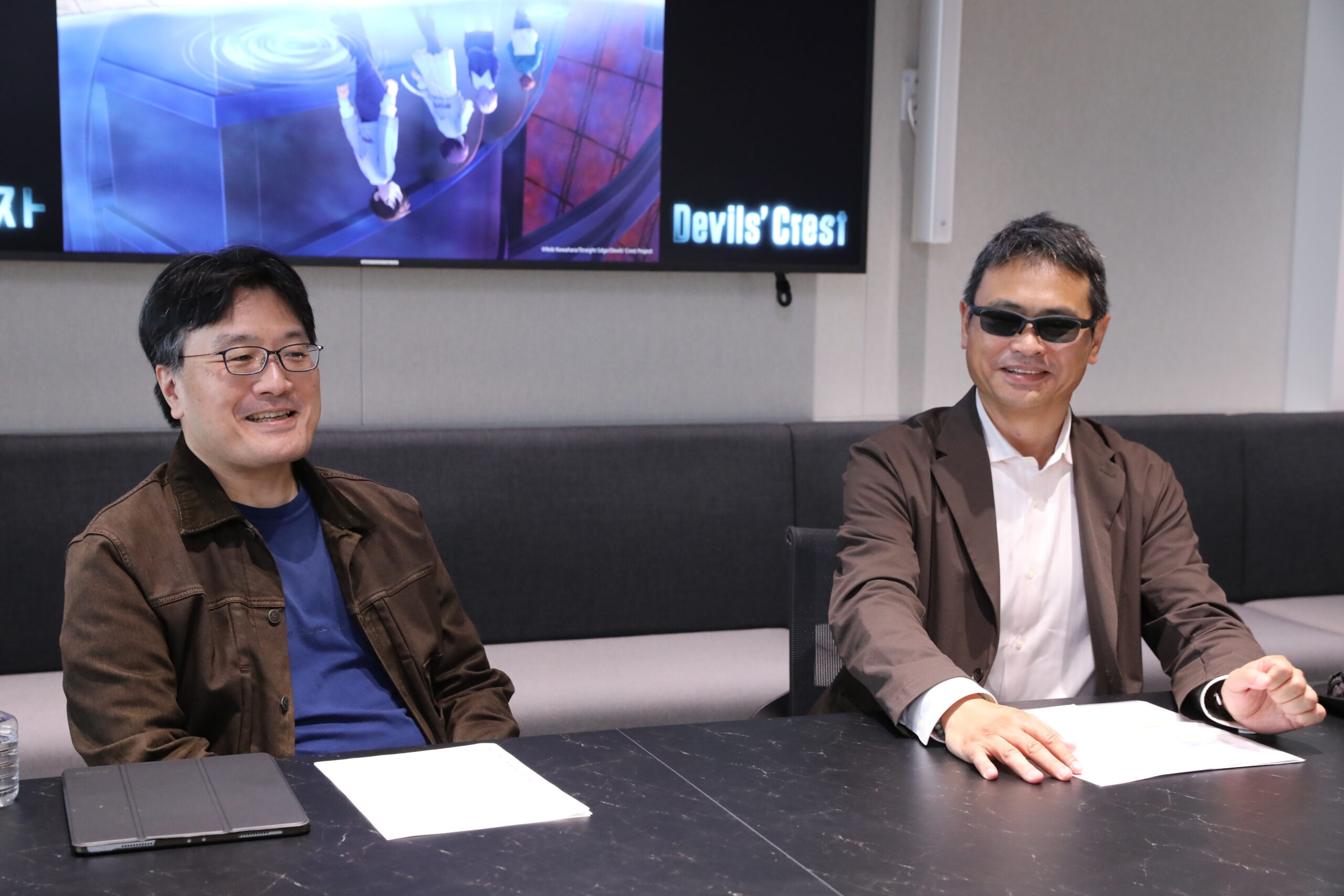
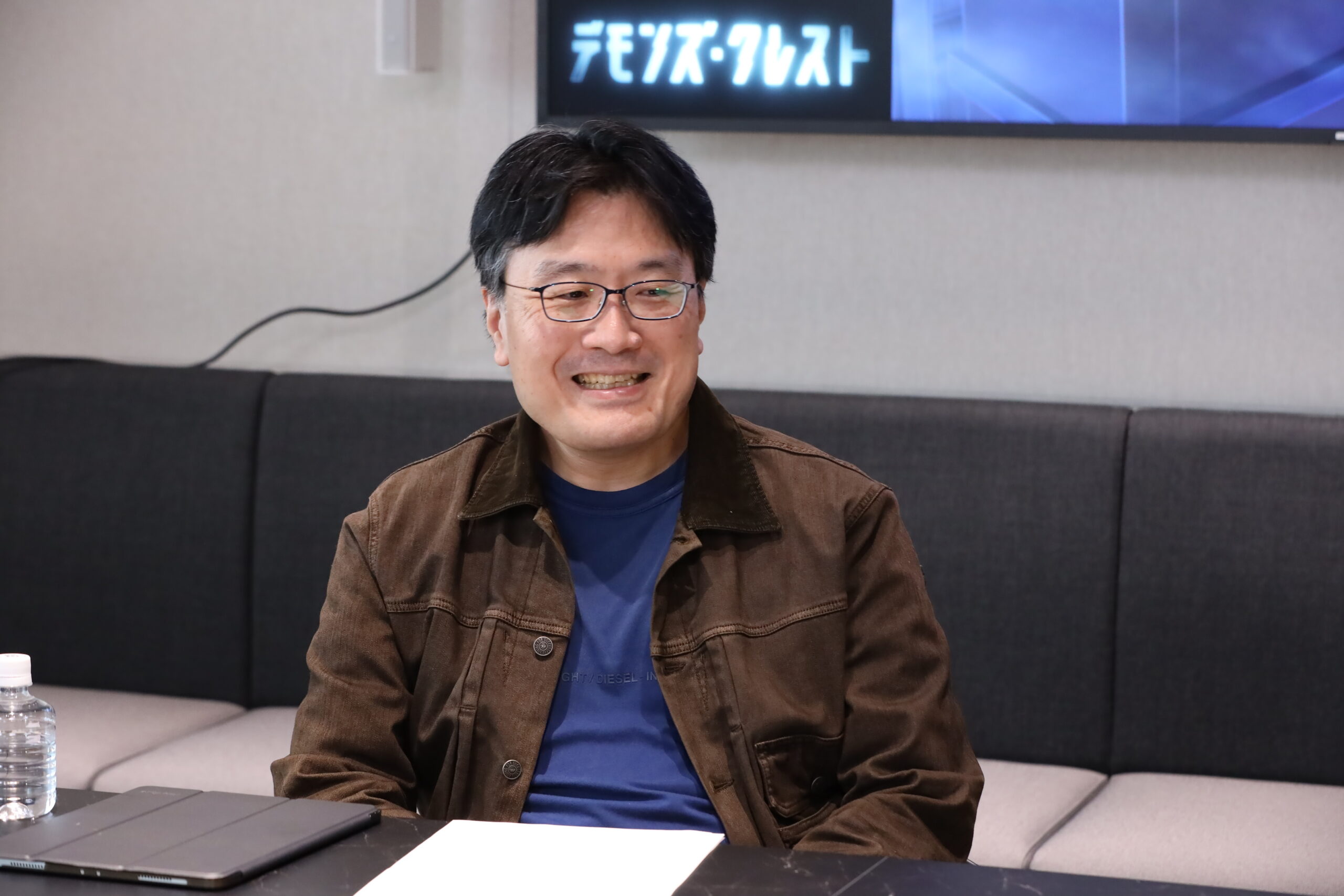
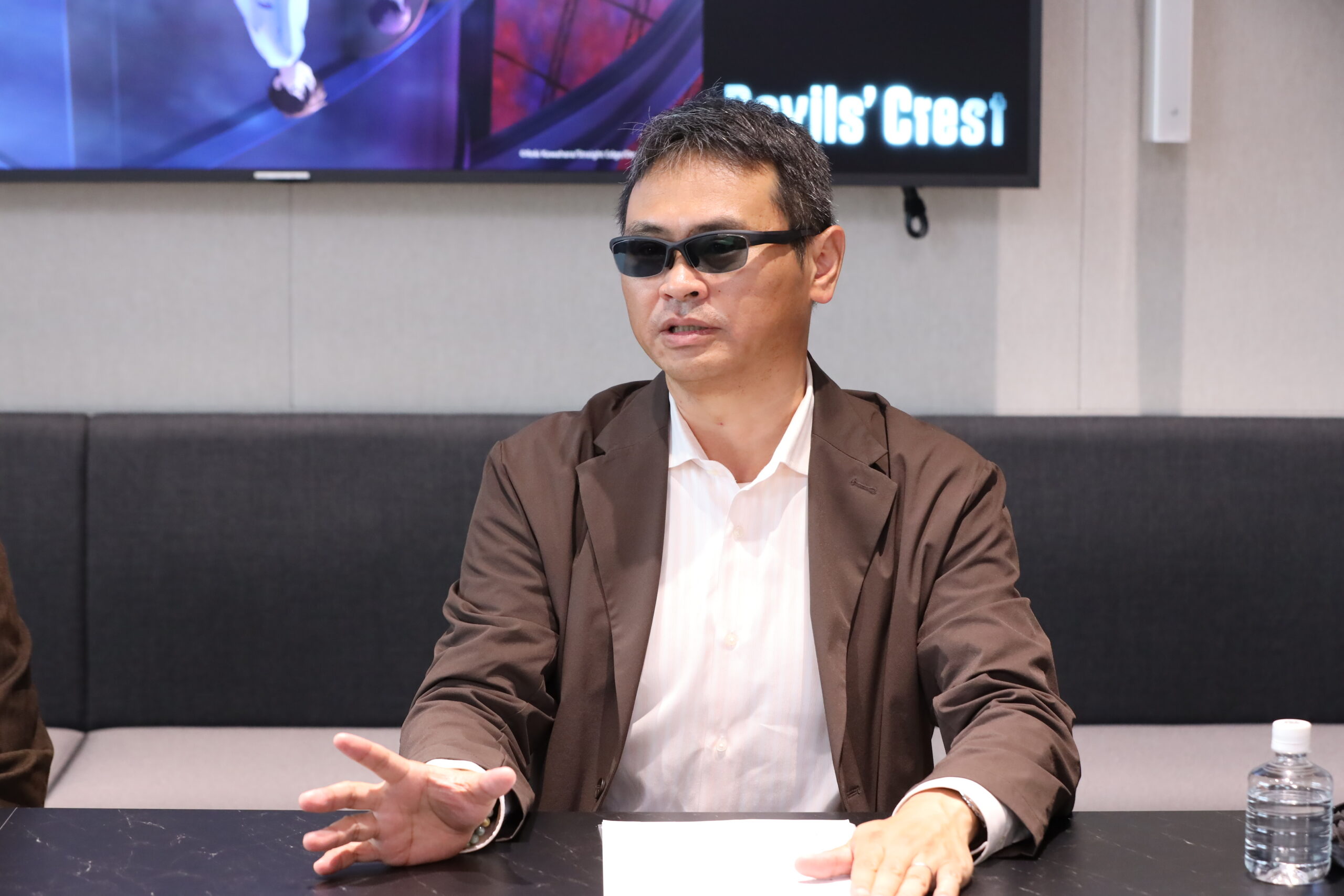
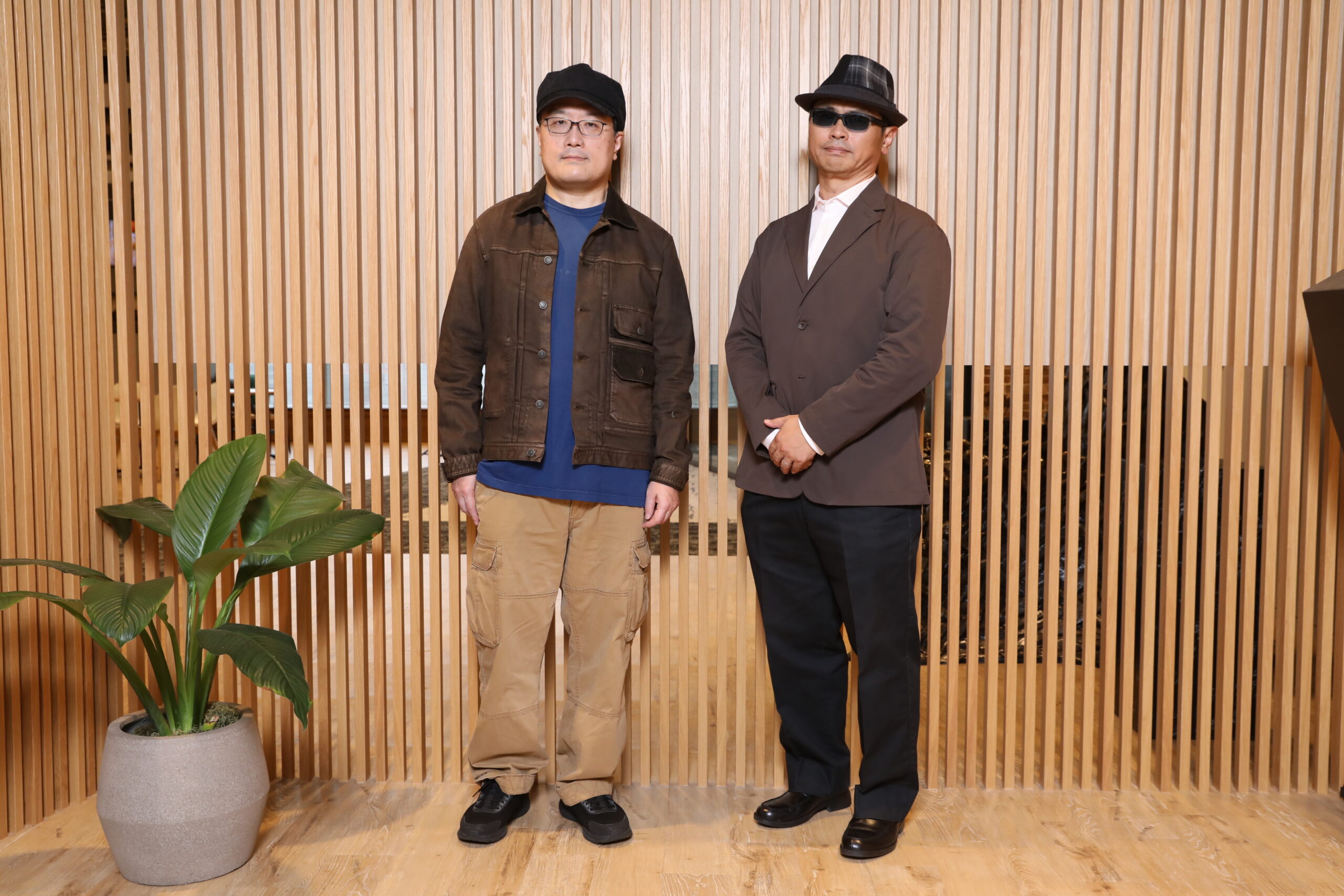
Kaori Nusantara joined a virtual roundtable with Kawahara and Ushiro, alongside outlets from India, Indonesia, and Malaysia. They discussed how the series handles horror and survival, what the real-life advances in VR and AR mean to them, and who the story’s characters are.
The Horror in Sci-fi: Reki Kawahara’s Perspective on Writing a Horror Story
Not many people know that Reki Kawahara is a fan of horror. When asked about his love of horror, Kawahara admitted it. He is a fan of Stephen King, who has said he writes to frighten people, and Kawahara feels the same way. “That is partly why SAO also has a lot of ‘horror’ scenes,” he said. “I want to give readers truly emotional moments, and frightening moments are the number one way for me to move people emotionally,” he explained.
But at the same time, he also had to hold back because he didn’t want to alienate the reader from the story. He is careful with them because he doesn’t want the horror to take over the story. That restraint is also why Sword Art Online has its share of horror scenes without being defined by them. Devils’ Crest, however, was different.
“Devils’ Crest is a survival horror series, so I didn’t have to put the brakes on the horror elements at all. I was able to incorporate those horror moments intentionally to frighten people and really move their emotions.” He explained further.
The tension created by the horror element also has to be taken into account by chief director Shinji Ushiro. For Ushiro, the question was how to build that tension while treating the story’s young characters honestly. He talked at length with Kawahara about the characters, their situation, and the settings.
“As elementary school children, they live in distinctive circumstances. They live in a different structure from adults, who are in a working environment. So, I wanted to depict distinctively how they think, discover things and behave in this survival space. That is actually the theme of this narrative.” Ushiro Explained
“It’s not that we tried to minimise the horror or the way people’s feelings are described. Rather, I wanted the audience to see how people really react, straightforwardly, when they face those circumstances. I want the audience to have fun watching those changing moments in the characters’ behaviour and feelings.” He added.
Adapting The Text into Animation Medium
Adapting the novel brought its own problems. When asked about the complex mechanics and survival rules, Ushiro said the novel sometimes focuses on the story and sometimes on the “game” aspect. In the anime medium, he worried that putting too much emphasis on the game part would hurt the story.
“If we emphasise the gimmick too much, the story itself tends to get diluted, and I wanted to avoid that. At the same time, I wanted to maintain the excitement of the gameplay. Many people love playing games and know them in great detail, and there are many people like that among our staff. So we had a lot of conversations within the team to find the right balance.” Ushiro explained.
“The gimmicks themselves are also really hard to explain in a single moment, and an anime has a limited running time. So when necessary, I had to skip the detailed descriptions and focus on the most important parts of the gimmick that we need to explain clearly,” he added.
The novels are also full of descriptions of characters’ feelings and expressions. When asked how he approached adapting a story told in words, Ushiro said he tried to reflect these in every image of the anime.
“It is a very intuitive process”, he said. “It’s hard to put into words. We read the text, got a hunch about whether a character will stay where they are or take a step forward with courage, and then translated it into how the characters behave on screen.”
Ushiro also highlighted the contrast between the two worlds the characters move between. The real world and the Actual Magic game world differ in space, colour tone and the monsters in each. Damage in the game is counted as points, but in the real world the same hit means a real injury. He tried to depict carefully how the characters switch between the two.
Technology, Games, and a Full-Dive
When asked about his favourite games and AR experiences, Kawahara named Atlus’s Persona series. “The main character has a really ordinary student life, then wanders into a mysterious world where they have to fight. There is a clear line drawn between those two worlds,” he said. Devils’ Crest has the same split between the real world and the vast but virtual world of Actual Magic, and Persona “gave me a hint for this setup.”
On AR, Kawahara said he hasn’t used many devices himself, but he pointed to QR codes as an AR-related technology that has blended into daily life. “I recently heard about price tags that show only a QR code. Only when you scan it with a smartphone can you check the price of the product, and that price can change from day to day, or even hour to hour,” he said. He called it “the ultimate dynamic pricing” and said he isn’t sure whether it is good or bad for consumers.
Ushiro also hasn’t experimented much with AR devices. His favourite game is Skyrim. “In that world, you can keep gathering different tools, crafting things, building a house, and so on. That is so much fun,” he said. Some of those elements are reflected in certain scenes of Devils’ Crest, “so I hope the audience will look for them and have fun.”
The roundtable also raised how far real-life VR has come since Kawahara began writing Sword Art Online in 2002. He said full-dive technology, as described in his work, does not yet exist and is a future beyond today’s VR, so current technology itself isn’t a major influence on his writing. Several years ago, he spoke with Ernest Cline, author of Ready Player One. Kawahara guessed full-dive would reach the market in 50 years. Cline said 30. Either way, Kawahara said, there is a long wait ahead.
Sword Art Online adaptations have also changed how Kawahara writes. Previously, he didn’t think that much about how characters speak. Now, because he has seen his characters voiced by voice actors, he started writing the characters as if they speak to him in their voice actors’ voices as he writes. He can clearly imagine how they will sound, which has made it easier to express their feelings and emotions.
AI technology, by contrast, doesn’t really affect his writing in Devils’ Crest. However, it affects his writing when it comes to other series that he wrote. That’s because in his other works, some characters have started to consult AI when they need advice in their lives.
“The recent advancement of AI has started to influence my work, because I never imagined that AI would become such a close presence in people’s lives this quickly. In Devils’ Crest, the characters don’t talk to AI yet. But in my other works, some characters have started to consult AI when they need small advice in their daily lives.” Kawahara added
A Class of 41 and the Selves They Can’t Lie To
When asked about the main theme, Kawahara declined to define it outright, since he would like viewers to find it themselves. If pressed, he said it is confronting yourself. Most of the characters are possessed by an evil spirit that exists within themselves. They cannot lie to it, so they are forced to see a self they never wanted to see, something hidden that they don’t show in everyday life.
“What matters is how they feel, how they confront that self and what they do afterwards. I want audiences to enjoy watching all of these stories,” said Kawahara.
The cast is large. A whole class of 41 schoolchildren are the main characters, and each is possessed by an evil spirit, so in a way there are 82 characters. Kawahara said he hasn’t seen a drama on that scale in recent years. When asked what would resonate with viewers, he said he expects the classroom to feel familiar: some students get along, others don’t, and the relationships are complicated. “Viewers will likely recognise their own childhoods and find characters they want to cheer on, or even want to support the whole class,” Kawahara added.
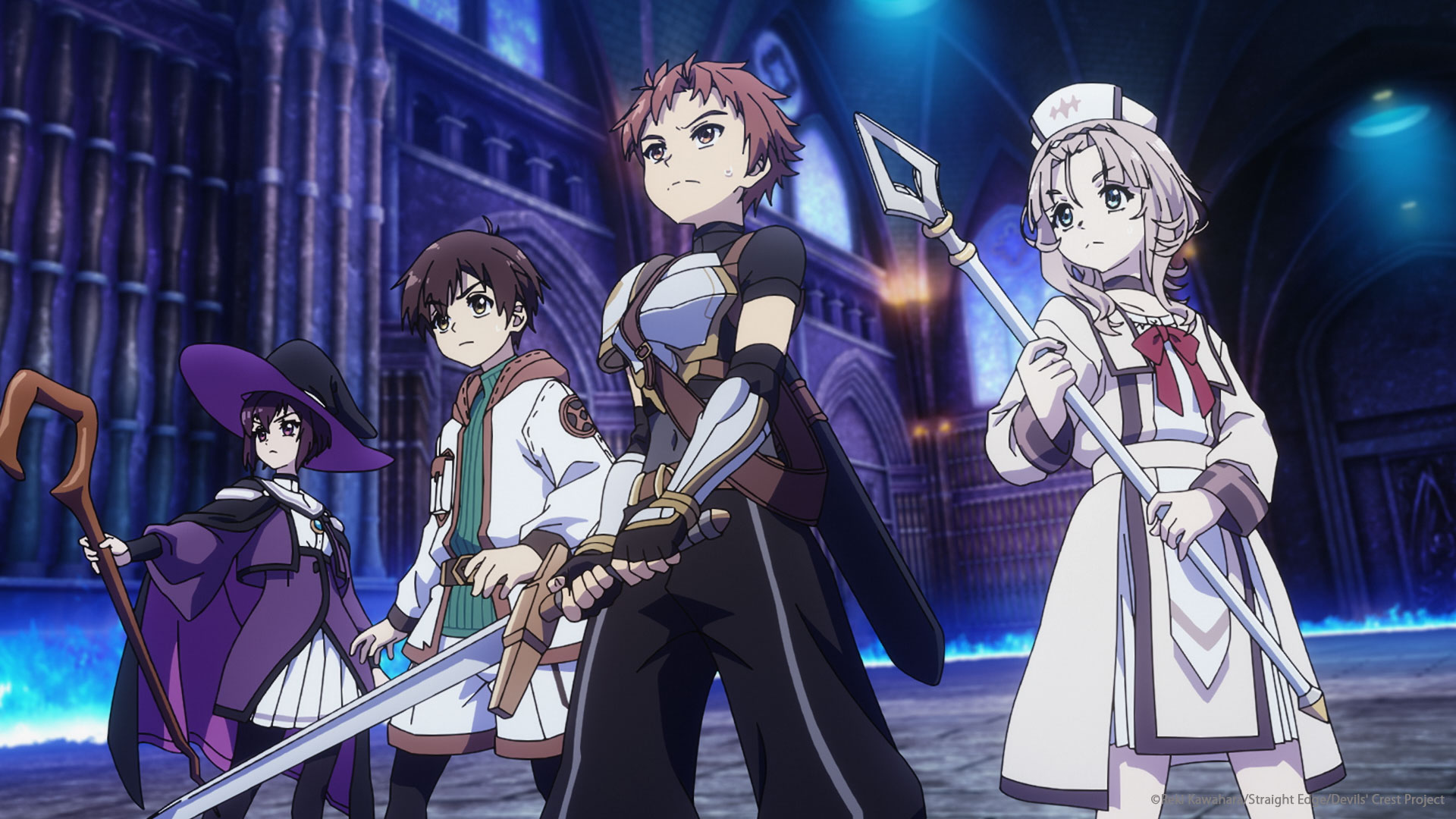
Ushiro approached the theme through the idea that every person has their own life. Even classmates in the same room don’t know each other’s backgrounds. Imagine being stuck in a room with no way out, and what each person would say and feel about themselves and each other. That, he said, is what he wants viewers to pay attention to.
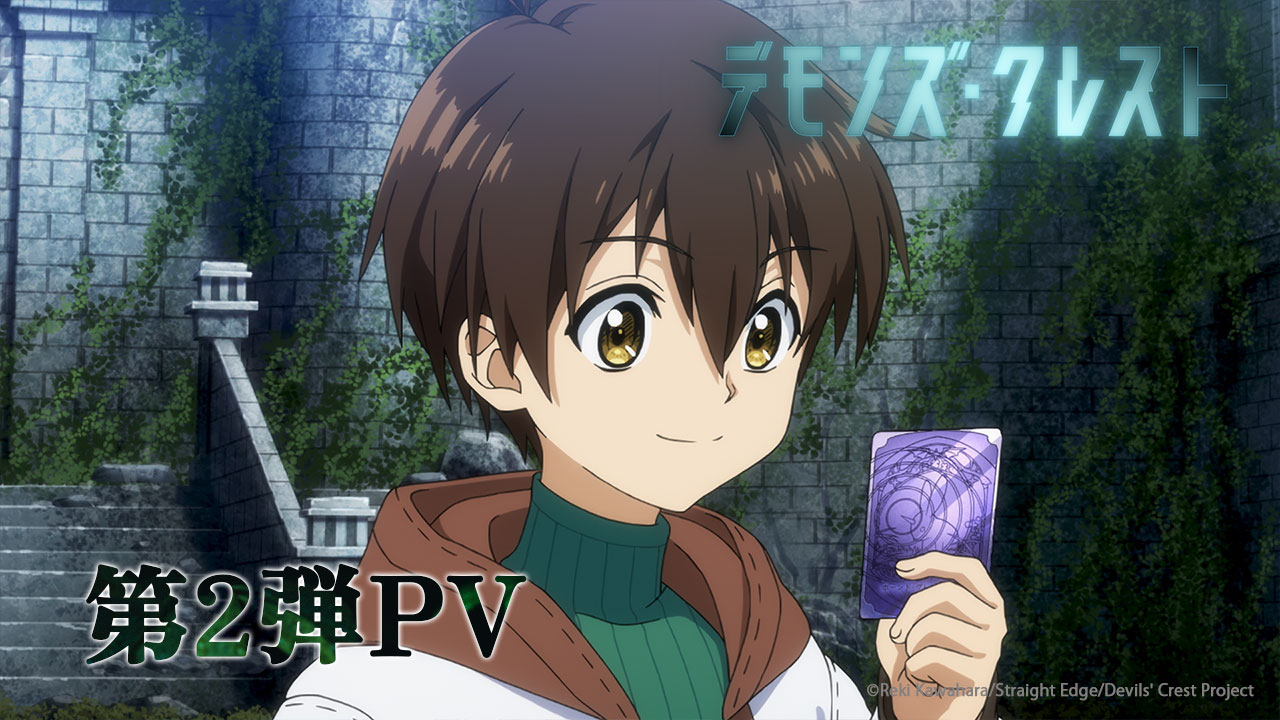
When asked which character was easiest and hardest to adapt, Kawahara said all his characters are lively in his head. The one he struggled with while plotting was the main character, Yuma Ashihara. In the game world, Yuma acts and fights, but in the real world he doesn’t move around much, so he was hard to give actions to. He praised Ushiro and the staff for how they brought the characters to life.
For Ushiro, it was the opposite. Yuma has a heroic quality that grounds his words and behaviour in both worlds, and his cautious nature is close to Ushiro himself, so Ushiro could imagine how Yuma would react. The harder characters were the bright, energetic ones who form groups. Ushiro grew up in Kansai during the years the word “otaku” emerged and counts himself on that side. He didn’t get along with the outgoing type of classmates, so for those characters he had to imagine how they would feel and find their words.
Prime Video and Anime Globalisation
On the series’ global release, Ushiro recalled that early in his career, directors were advised to avoid distinctly Japanese things for overseas audiences. But it is not the case anymore. Directors are expected to show the scenes that are truly unique to Japan.
“For example, we were told not to include scenes where chopsticks are used, or other things unique to Japanese culture. However, anime has become fully globalised in recent years. Now it’s actually the other way around. Japanese directors are expected to carefully depict what is truly unique to Japan. So that we can accurately express what Japanese people do, see and feel.” Said Ushiro
In the case of Devils’ Crest, a series that depicts a lot of elementary school students, he believes international fans will already get the sense of the cultural differences. “A child who stays quiet when you think he should speak up is a cultural trait. I think overseas audiences can enjoy finding the differences between their own culture and Japanese culture, because these characters will probably feel and behave differently from children in their own countries.” Ushiro added.
Devils’ Crest is currently available on Prime Video.
The Indonesian Anime Times