
Artikel ini juga tersedia dalam bahasa Indonesia.
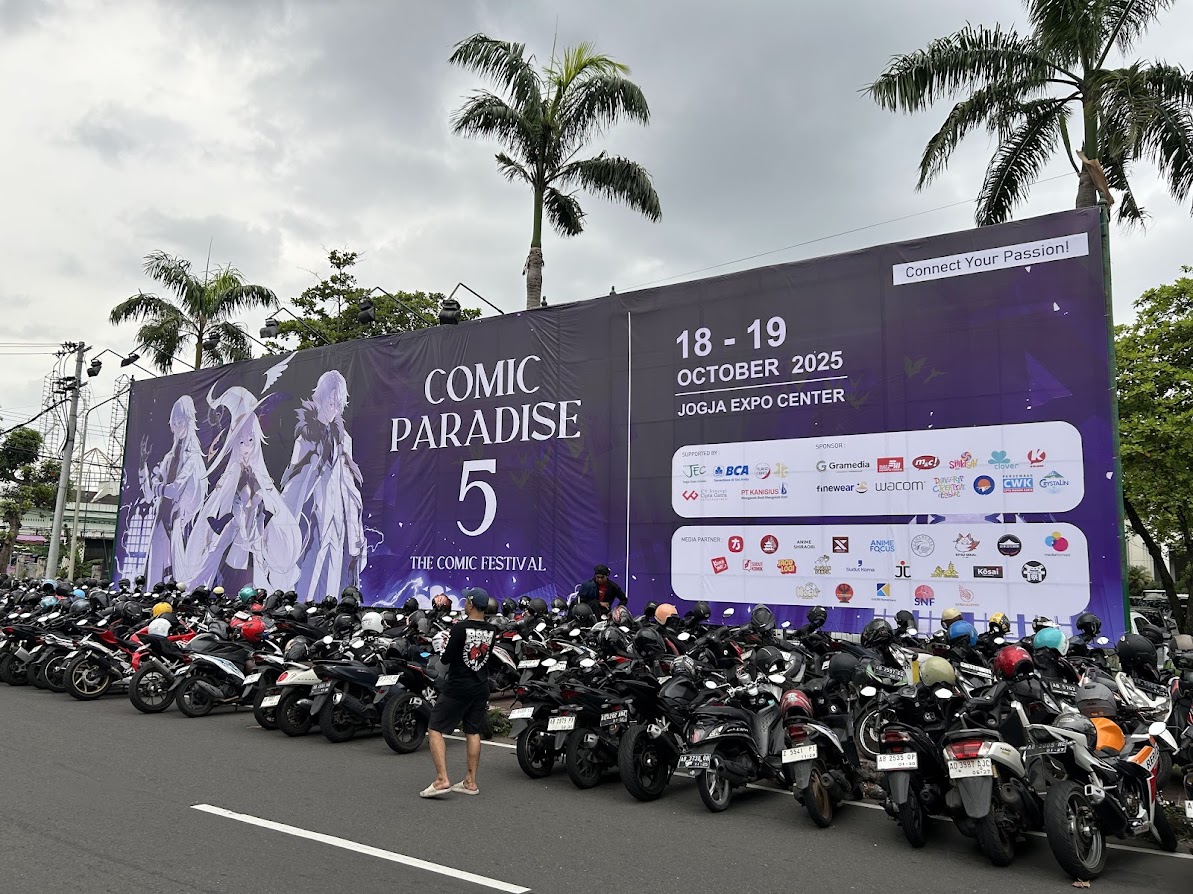
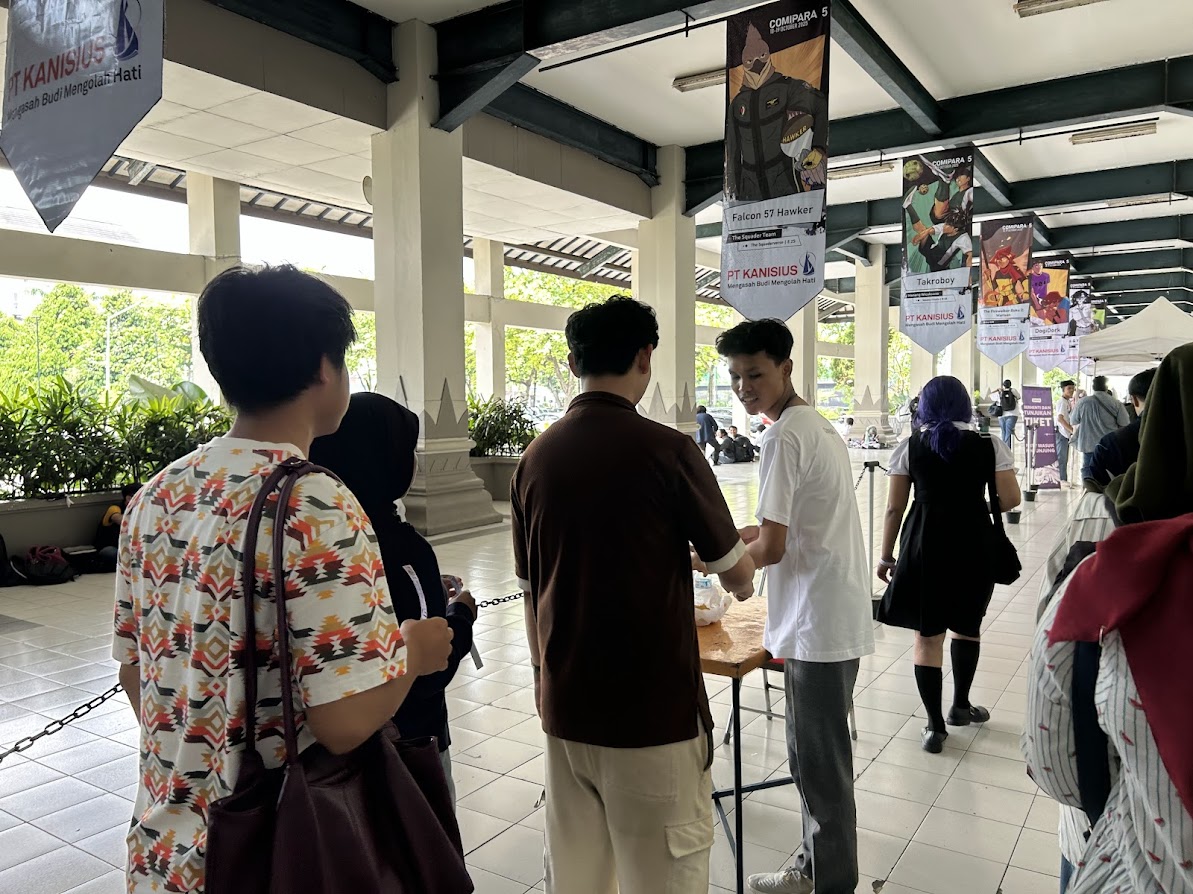
Comic Paradise, or Comipara, the comic market event held in the Yogyakarta Special Region, Indonesia, has reached its fifth edition this year. The last Comipara took place on 18–19 October 2025, occupying all three halls of the Jogja Expo Centre (JEC) Building, Yogyakarta.
A wide range of programme segments featured creators and circles as core participants, each bringing its own concept. Comipara positions itself as an event centred on creators, especially comic artists, while still striving to become accessible, popular, and widely visited. Anime fans are also among Comipara’s target audience. At the same time, the event maintains a family-friendly atmosphere and upholds creator-focused values throughout its organisation.
How is Comipara conceptualised, executed, and developed further? KAORI spoke with Fanny Aleutia, a comic artist who is also one of the initiators and head organisers of the Comipara event.
KAORI: Congratulations on the success of this fifth Comipara. We would like to understand more about the background of the event’s creation.
Fanny: Comipara began with an idea from us as creators. At the time, there were no events that truly accommodated creators, especially comics. I’m a comic artist myself. We have been working and experiencing the Indonesian comic scene since around the early 2010s. Back then, the situation wasn’t good. My partners and I, there were three of us, wanted an event that genuinely provided a home for creators. We wanted a place where creators could feel fulfilled.
Through some connections, the three of us eventually met, and that became the start of the first Comipara. At that time, the event used only a third of the JEC building. Today, we use the entire venue.
What was the main purpose of Comipara?
Comipara was designed as an event focused on creators. When Comipara launched, creators responded positively. We wanted to encourage them to show that there are comic creators from and around Yogyakarta. We wanted local comic artists to be noticed. They all share the same desire: to have their work highlighted and recognised, but the channels for that were limited.
Aside from showcasing original comic works, we also wanted to prove that their creations are just as good as comics from Japan or the United States. Our starting point was one goal: to serve the creators. That was the priority.
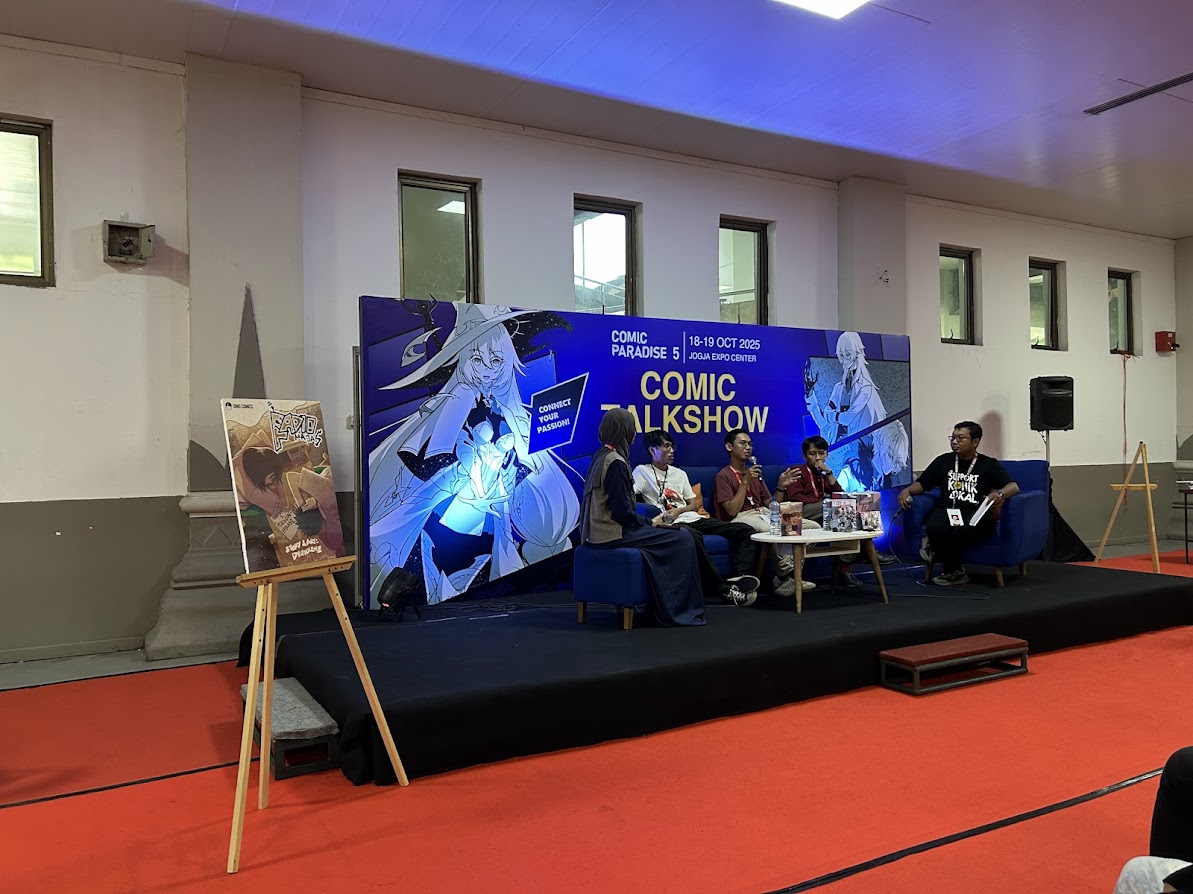
There are several comic market events in Indonesia. On one end of the spectrum, there is Comifuro, where creators are free to sell anything, not just comics, but also stickers, keychains, and many more. On the other hand is Peskom (formerly known as Pakoban), a “pure” comic market event. Where does Comipara position itself?
When we created the first Comipara, our goal was to ensure Indonesian comics didn’t die out. We wanted a new generation of young comic artists. Indonesian comics need to appeal to young people.
Today’s youth love Japanese pop culture, anime, manga, and weaboo culture. That doesn’t mean they don’t want to make comics. I also loved anime and manga before becoming serious about creating original comics. Among otaku and wibu, some will eventually start creating, too, and some will grow into full-fledged creators.
To make the event more attractive, we also added stage performances. We wanted the venue to be a comfortable place for communities to gather.
Our impression of Comipara has been very positive. What is the secret behind what Comipara achieves that other comic market events sometimes cannot?
Paying attention to small things is crucial. My partner is very attentive to details. Small things have a big impact on visitor and creator satisfaction.
What is Comipara’s relationship with Mangafest?
What do you mean exactly?
We mean, Comipara has grown into a major event. KAORI has long followed the legacy of Mangafest. We are interested in seeing Comipara’s rise as one of the largest events in Yogyakarta and Central Java, especially after Mangafest ended.
Japanese pop culture events used to be important. Mangafest, for example, helped connect fans with creators. But over time, Mangafest’s focus shifted. Because of that feeling, we decided to create our own event twice a year.
Most of our committee members are students, but we aim to organise the event properly and professionally, for both visitors and creators. We want it to be a natural gathering point. We collaborate with communities, provide many community booths, and build a community-based event.
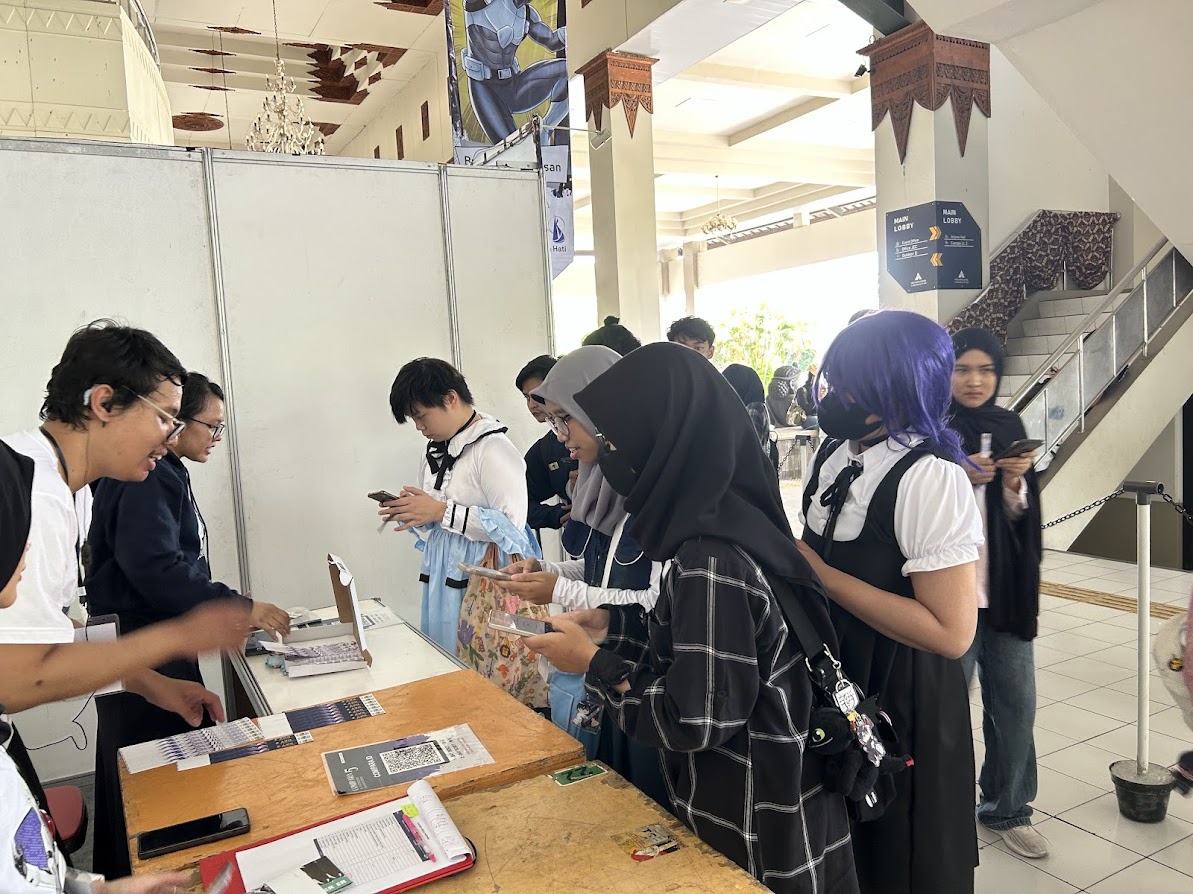
We noticed that visitors with disabilities were guided properly, the ticket queues were orderly, and staff gave instructions clearly, and even their hand gestures were polite and intentional. How do you achieve this?
There wasn’t anything particularly special. Most of our field team only works on the event day itself. There is a core committee that plans the event and prepares everything. Then we hold inter-division meetings a few days before.
Because we work as a team, we always emphasise learning from past mistakes. Volunteers are encouraged to perform their tasks well, but also to have fun. Everyone should enjoy the event.
If you ask for our “secret,” we don’t really know. The core team sets the standards and ensures the details. Volunteers then carry them out. Serving, explaining clearly, and giving whatever information helps, the staff must be proactive.
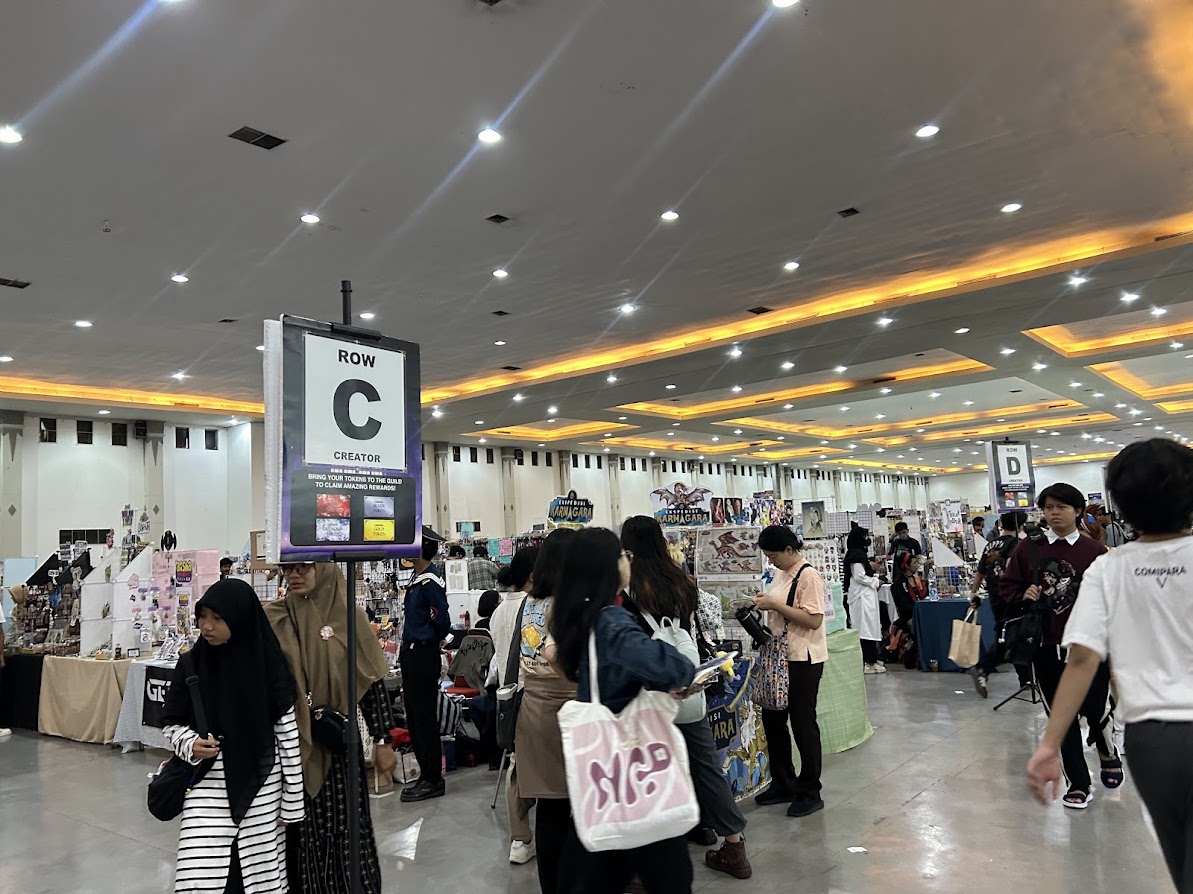
Do you have something to say to the creators about Comipara?
Creators want to be appreciated. We value their hard work. And we hope that appreciation becomes fuel that keeps them motivated.
To keep the ecosystem running, we can’t rely only on comics. In the future, ideally, films as well. Comics in Indonesia are still not fully recognised. As entertainment, most casual readers may not even know who created a comic. In Japan, comics can grow into animation or live-action films.
From a technical standpoint, what does Comipara aim to provide creators?
We start with curation. Creators with their own original comics come first. We curate all submissions. We don’t tolerate any cheating. You can’t claim to be a creator while selling bootlegs or AI-generated works. From this main focus, many detailed rules follow.
We have a dedicated curation team. We check everything. We sweep the halls. We verify that everything matches the catalogue. If there are additions, they must be reported.
Yes, enforcing these basic rules takes effort. But we make sure every report is listened to. If something looks like AI-generated work, we ask creators to show their work process.
This curation concept is very interesting and aligns with Comipara’s goal of advancing Indonesian comics. Is there a quota for how many comics a circle must sell?
In the beginning, participants were required to sell at least one book. If I remember correctly (in the first event), out of 50 book sellers, only half actually sold comics. We continued this system. The curation encourages them to create, which in turn increases interest in making comics. It’s difficult, but we keep doing it.
Over time, more participants release books at each Comipara. The number of new comics also increases. Previously, all new comics could be launched at Comipara, but now there are too many to fit!
How many new titles are there?
Around 20. But we trimmed the number. We now divide the launch into five sessions, with two comic artists per session. But in reality, there are indeed 20 or so new titles ready to launch.
Circles are challenged to debut their comics at Comipara first. That motivates them. The quality keeps improving. Now, almost 100% of circles sell books. Around 70–80% specifically sell comics.
What about visitor numbers?
They increase significantly every year. We started with half a hall, then one hall, then two, and now all three halls. Probably around ten thousand visitors.
Our layout is also different. You may have noticed how wide the aisle spacing is. We really consider comfort, so people can move freely and interact with creators easily.
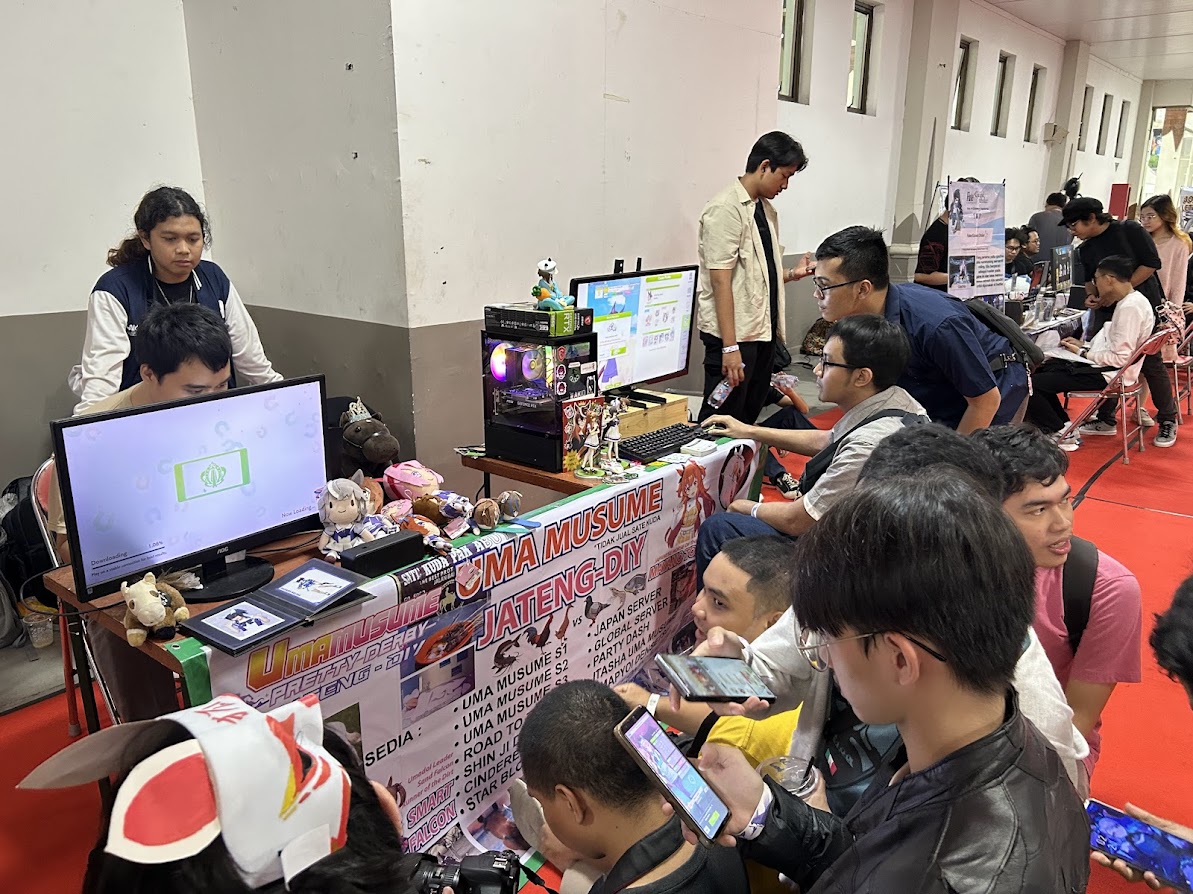
Why do visitors come to Comipara?
Visitor behaviour varies by day. On Saturday, people come to shop. They arrive early, so items don’t sell out. On Sunday, it’s more mixed. Some come to shop, and some are general visitors. That’s why coswalk and DJ events are held on Sunday, when merchandise stocks are lower. But those who want to meet creators usually prioritise Saturday.
What genres or fandoms dominate the creators’ works?
It’s varied, but not that random. There are original works, doujin works, and merchandise.
Will Comipara increase the number of circles?
It depends on venue capacity. JEC is already one of the largest venues available in Yogyakarta.
Where do the participating creators come from?
Creators are getting younger. Around 50% come from outside Yogyakarta, and about 40% from within Yogyakarta. Initially, there were fewer Jogja creators, but the number keeps growing.
Most are from Java. Others come from Malang, Surabaya, Jakarta, and Bandung. There is even a creator from Bali who consistently participates. A few come from outside Java, too, though the distance is far. Among those from outside Jogja, the top three are Jakarta, Bandung, and then Surabaya/Malang.
What is Comipara’s stance on NSFW content?
Pornographic material is strictly prohibited. It’s written in the rules. If someone is found selling R18 content, we take action and shut it down. We want Comipara to be family-friendly, enjoyable for everyone.
Does Comipara receive commercial or government support?
In Comipara 4, yes, but mostly for publicity. We also collaborated with major media outlets. Currently, we are an independent entity with no government partnerships. We are working with BCA, which supports creators through registration, EDC services, and other conveniences. We also have a printing partner. Creators can order their comics in advance, and their printed books will be ready upon arrival.
Any message for visitors or creators who wish to join Comipara?
We are not an event organiser, we’re comic artists doing what we feel we must do. We don’t rely on many sponsors. Whether you are a new or veteran creator, as long as you make comics, we will welcome you. To future visitors: please come to Comipara, feel the atmosphere, and experience the event yourself.
Also read:
Has Comiket Changed Post Pandemic? Interview with Comic Market’s Organizer
The Indonesian Anime Times | Interview by Kevin Wilyan | Translation by Dany Muhammad | The interview has been edited and refined without altering its original meaning.