
Synopsis
“With only your voice and body—master the art.”
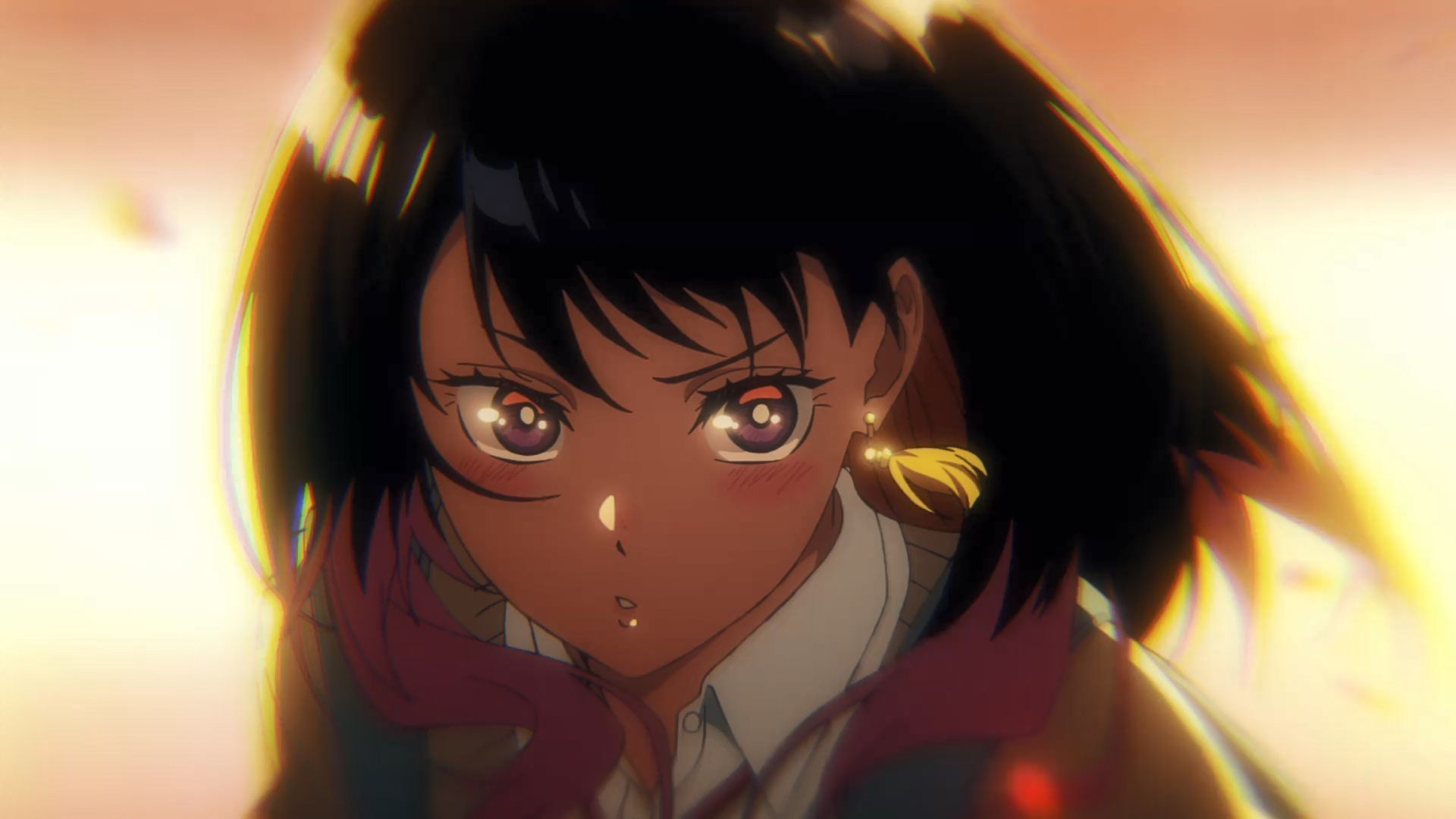
Akane Osaki, captivated since childhood by the magical performances of her father, Shinta Arakawa, witnesses a shocking incident during his decisive performance for promotion to Shin’uchi (master rank). Six years later, now a high school student, she sets her sights on becoming a Shin’uchi herself—pushing forward in the highly competitive world of Rakugo.
A passionate and authentic Rakugo drama begins now!
(Source: Akane-banashi Global YouTube Channel)
Comments
Caesar E.S. (The Indonesian Anime Times)
Pardon the all caps, but I’VE BEEN WAITING FOR THIS!
Akane-banashi by Yuki Suenaga and Takamasa Moue is one of those great titles that you know would be beloved by even more people if it just got an anime adaptation. Ever since I started reading it on Shueisha’s MANGA Plus, which is available to read for free, I was completely enamoured. The rare Weekly Shonen Jump title that features a female protagonist would already be enough for it to warrant a look, but a manga about rakugo, Japan’s traditional art of on-stage storytelling, in its premier manga magazine filled with your “battle shonen” and rom-coms? It stands out for sure.
Which is why I’m glad that after watching the first and second episodes of the anime, it looks like they’re absolutely pushing it and giving it the needed support for it to succeed. Given a world premiere at New York’s illustrious Japan Society, social media accounts with “Global” in the title, and entrusting the OP and ED to veteran artist but also “anisong rookie” Keisuke Kuwata in his first time singing for an anime ever, it’s clear that the people making this show want it to be a hit both at home and overseas.
As they should, because Akane-banashi is an incredible manga, arguably one of, if not the best title currently running in Weekly Shonen Jump and deserving of a stellar adaptation. At first glance, it’s a story about exploring the arts and the tension between respecting tradition and breaking away from it. Yet while it is all of that for sure, it’s also, strangely enough, for a story about a traditional art form- a “battle shonen” manga of the finest calibre. Titular protagonist Akane’s main motivation starts as wanting to avenge her father by becoming the best at rakugo, and it’s framed in the vein of your shonen manga revenge stories. The interesting part comes in the way the manga reframes all of rakugo‘s traditional “-isms” and recontextualises them within battle manga vocabulary: a battle between duelling performances, for example, becomes an exciting one-on-one fight between two rivals. Learning new rakugo stories from the masters becomes a training arc to learn new techniques. And the performance, the telling of the stories themselves, becomes akin to say, unleashing a “Reality Marble” or “Domain Expansion” (take your pick).
On top of that, underneath it all is a strong emotional drama about bettering one’s craft, about aiming for the pinnacle of one’s self-expression, about the importance of the arts in one’s life, whether you’re on stage or in the audience, about the ways people connect to be stronger. If that sounds similar to your favourite shonen manga, that’s because it is.
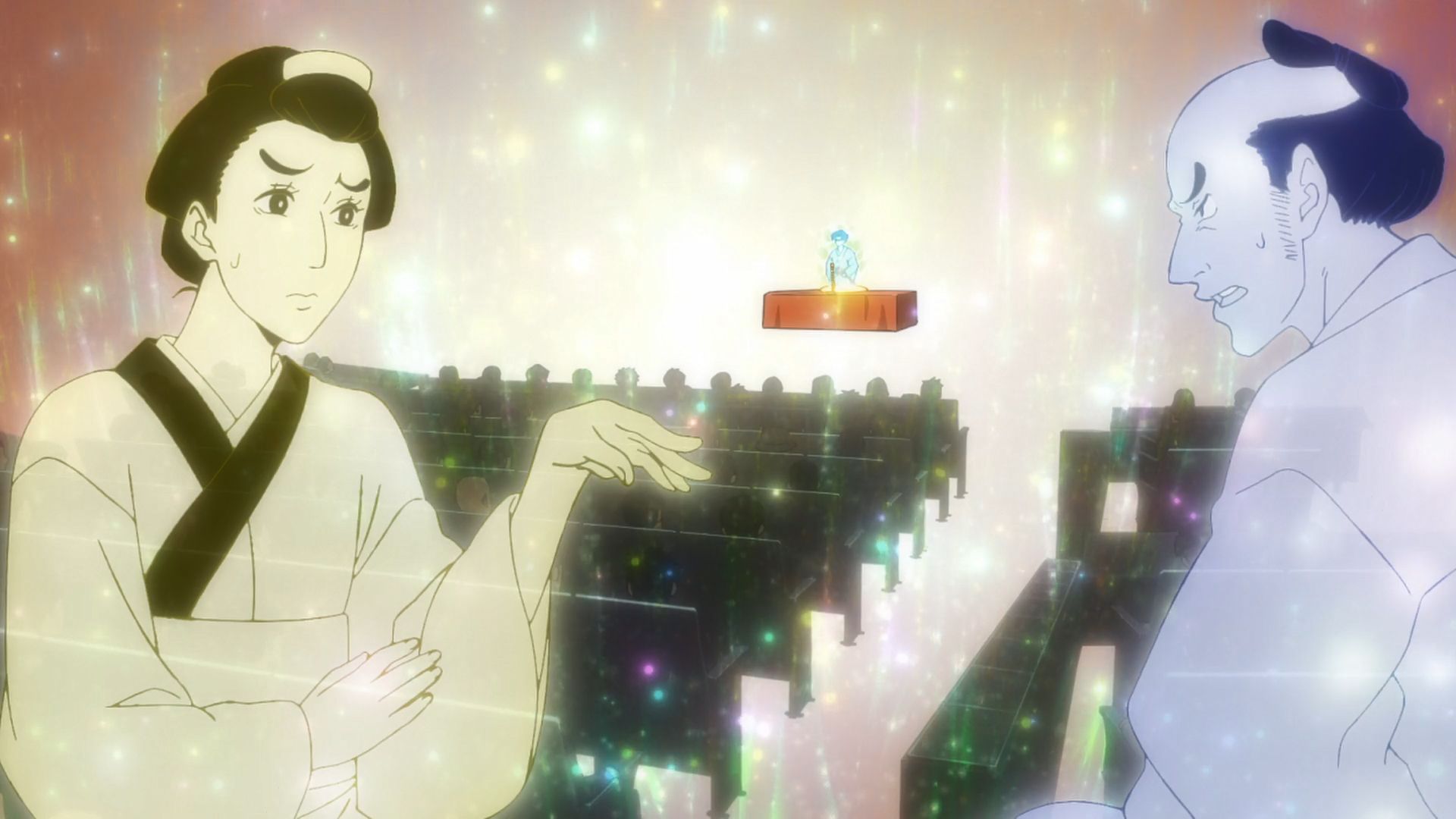
The anime adaptation does a great job at translating all of that to moving form. I was a bit apprehensive upon seeing the initial key art looking flat, but the show’s compositing achieves a beautiful look that feels grounded yet still vivid with colour. I particularly love the show’s use of scenes set at sunset, perhaps fitting and intentional, as the word for deep red in Japanese is “akaneiro“. Not only that, but the voice performances are stellar. Stories about performing a craft are only convincing if the craft being performed itself is up to par with an actual performance, so it’s a good thing that up-and-coming seiyuu Anna Nagase and veteran Jun Fukuyama‘s rakugo performances as their respective characters live up to professional rakugo performances. It’s accentuated by great character animation and sound design that accompanies the performances really well. Who knew that freestyle jazz drumming works great with rakugo?
It’s a promising start, and I hope this adaptation propels the series to even greater heights, becoming the kind of long-running show that popular titles get. The manga only gets better the longer it goes on, and I personally can’t remember it ever experiencing a lull or an uninteresting story arc. I’m looking forward to watching more of Akane’s stories in animated form, and you should too!
Akane-banashi is currently streaming on Netflix, Ani-One Asia, and CatchPlay.
Facts and Figures
| Original work | Manga by Yuki Suenaga and Takamasa Moue |
| Casts | Akihisa Shiono as Kaisei Arakawa Akio Ōtsuka as Isshō Arakawa Anna Nagase as Akane Ōsaki Jun Fukuyama as Shinta Arakawa Masaki Terasoma as Shiguma Arakawa Rie Takahashi as Hikaru Kōragi Shizuka Itō as Masaki Ōsaki Takuya Eguchi as Karashi Nerimaya |
| Director | Ayumu Watanabe (Witch Hat Atelier, Children of the Sea, Komi Can’t Communicate) |
| Series Composition | Michihiro Tsuchiya |
| Rakugo Supervisor | Kikuhiko Hayashiya |
| Music | Akio Izutsu |
| Opening theme | “Hitotarashi” by Keisuke Kuwata |
| Ending theme | “AKANE On My Mind ~ Manjuu Kowai” by Keisuke Kuwata |
| Studio | ZEXCS |
| Official Site | https://akane-banashi.com/ |
| @akanebanashi_PR | |
| Broadcast date | 4 April 2026 (1430 GMT/2130 WIT), 4 April 2026 (2330 JST) |
Screenshots and Trailer
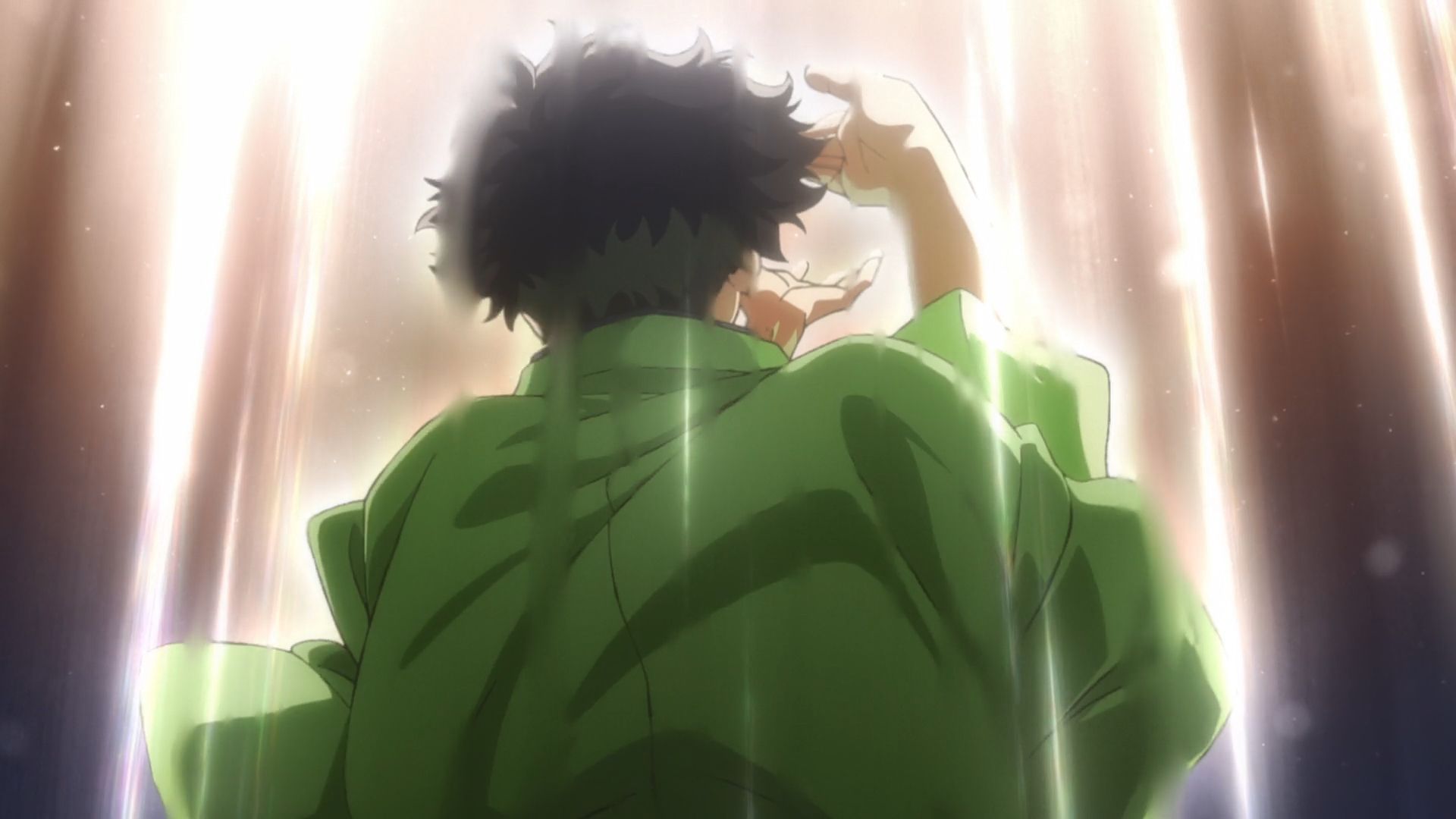
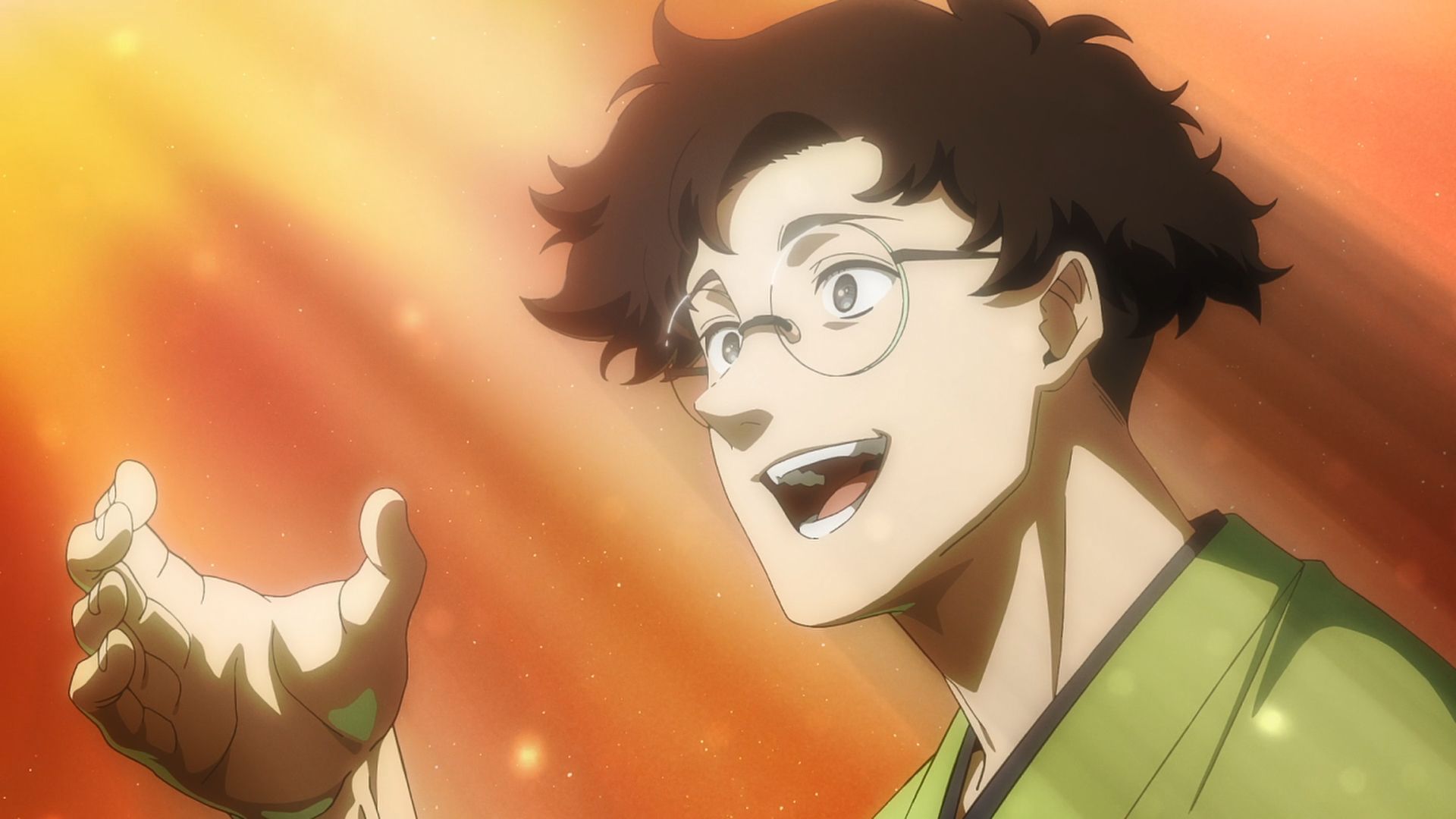
The Indonesian Anime Times